00:15 — Airborne
The Pathfinders Drop
The first Allied paratroopers drop behind enemy lines to mark drop zones for the coming airborne divisions. The silence of Normandy is broken by the drone of C-47s.
“You are about to embark upon the Great Crusade, toward which we have striven these many months. The eyes of the world are upon you.”
— Gen. Dwight D. Eisenhower, Order of the Day
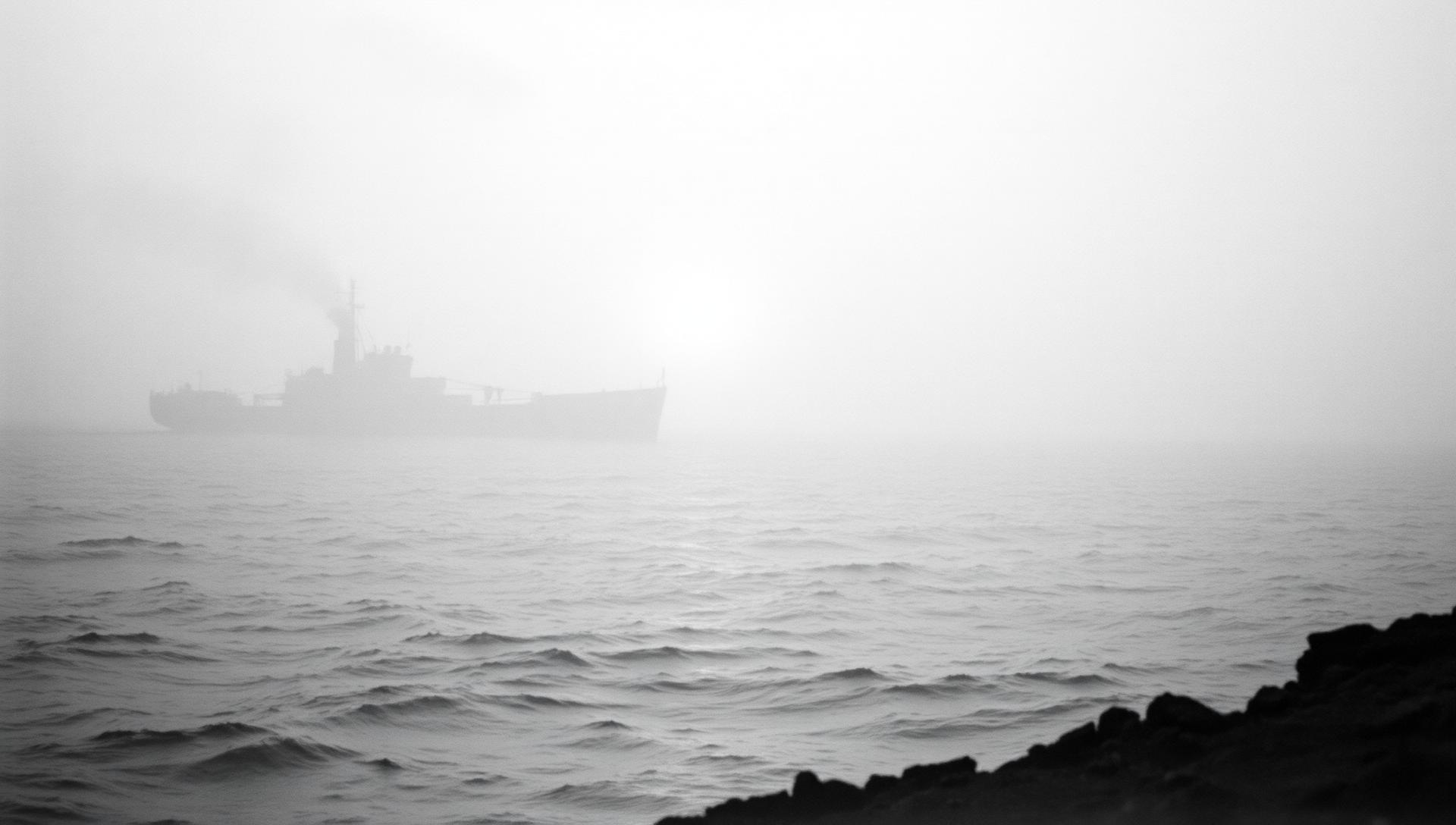
For four years, Nazi Germany had held the coast of Western Europe. On the night of June 5, 1944, a fleet of nearly seven thousand ships slipped out of the ports of southern England and turned south through the storm-grey Channel.
The plan was Operation Overlord — the largest amphibious invasion in the history of warfare. Its first day, code-named Neptune, would come to be known by a simpler name: D-Day. Within twenty-four hours, the war's center of gravity would shift forever.
The first Allied paratroopers drop behind enemy lines to mark drop zones for the coming airborne divisions. The silence of Normandy is broken by the drone of C-47s.
More than 2,200 Allied bombers begin pounding coastal batteries and inland communications, softening the Atlantic Wall in the final hours before the landings.
Battleships, cruisers, and destroyers open fire on German fortifications. The horizon flickers with muzzle flashes as the invasion fleet reveals itself in the gray dawn.
The first wave of American troops hits Omaha and Utah beaches. The ramps drop into a storm of lead and iron. British and Canadian forces follow at Gold, Juno, and Sword.
Lt. Col. James Rudder's 2nd Ranger Battalion reaches the top of the 100-foot cliffs at Pointe du Hoc after a two-day fight, only to find the guns moved inland.
By nightfall, more than 156,000 Allied troops are ashore across fifty miles of coastline. The Atlantic Wall has been breached, though the cost in human life remains uncounted.
Fifty miles of coastline, five code-named sectors.
US 4th Infantry
US 1st & 29th
UK 50th Division
CAN 3rd Infantry
UK 3rd Infantry
At Omaha, the first waves of the 1st and 29th Divisions met fortified positions that had survived the bombardment. Within the first hour, casualty rates in some companies exceeded ninety percent. The beach was held, foot by foot, by the men who refused to stop moving.
“We reached the beach and it was a graveyard. There were bodies everywhere. But we knew if we stayed in the water, we were dead. If we stayed on the beach, we were dead. We had to go up.”
“Our landings have failed, and I have withdrawn the troops. My decision to attack at this time and place was based upon the best information available. The troops, the air and the navy did all that bravery and devotion to duty could do. If any blame or fault attaches to the attempt it is mine alone.”